Even the most thoughtfully designed spaces can lose their grounding when the rhythms of daily life are overtaken by digital noise. Digital overload is no longer an abstract concept; it is a lived reality. We are exposed to more information in a single day than previous generations encountered in weeks. Between emails, text messages, streaming platforms, and an endless scroll of social media, our attention is continually divided.
The effects are subtle at first, then cumulative. Mental fatigue. Difficulty focusing. Disrupted sleep. A persistent sense of restlessness. True focus and presence becomes elusive — yet something at our collective core still knows its value.
As designers, this shift requires a recalibration of priorities. It is no longer enough to create spaces that are visually compelling or functionally efficient. Today, we are designing environments that must actively counterbalance the demands of a hyperconnected world, spaces that restore, rather than deplete.
Creating Boundaries Within the Home
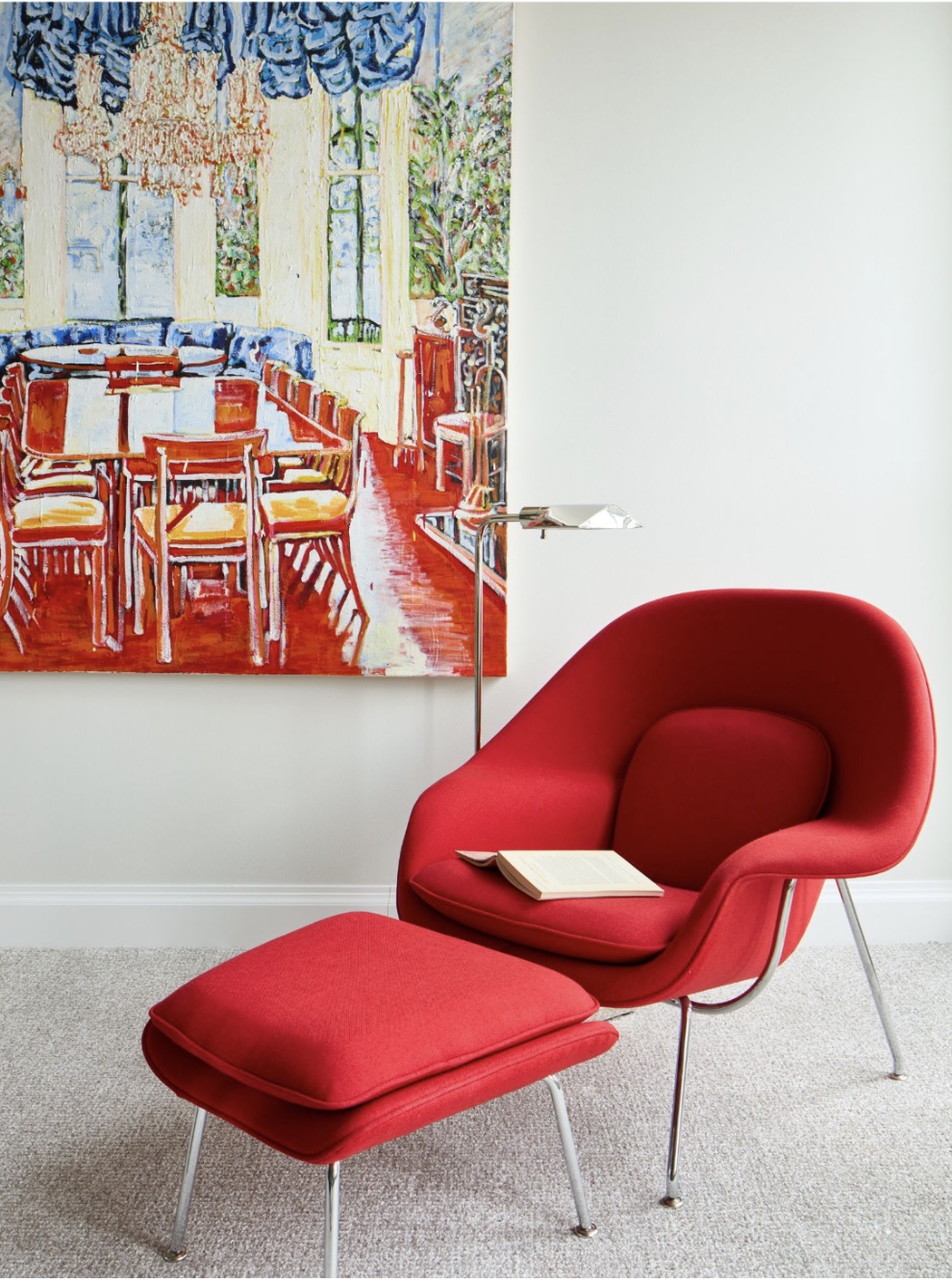
One of the most effective strategies is also one of the simplest: establishing clear boundaries between digital and non-digital space. Designated screen-free zones – whether a reading nook, a quiet sitting area, or even a thoughtfully arranged coffee corner – offers a subtle but powerful cue.
These spaces give structure to slowing down. They signal permission to disengage, to read, to converse, or simply to sit without interruption. A comfortable chair, a well-placed lamp, and a small table can often be enough to shift behavior. What matters is not scale, but intention.
Softening the Visual Landscape
If digital overload is, in part, a function of constant visual stimulation, then the interiors we create should offer a counterpoint. Clutter — both physical and visual — amplifies mental noise.
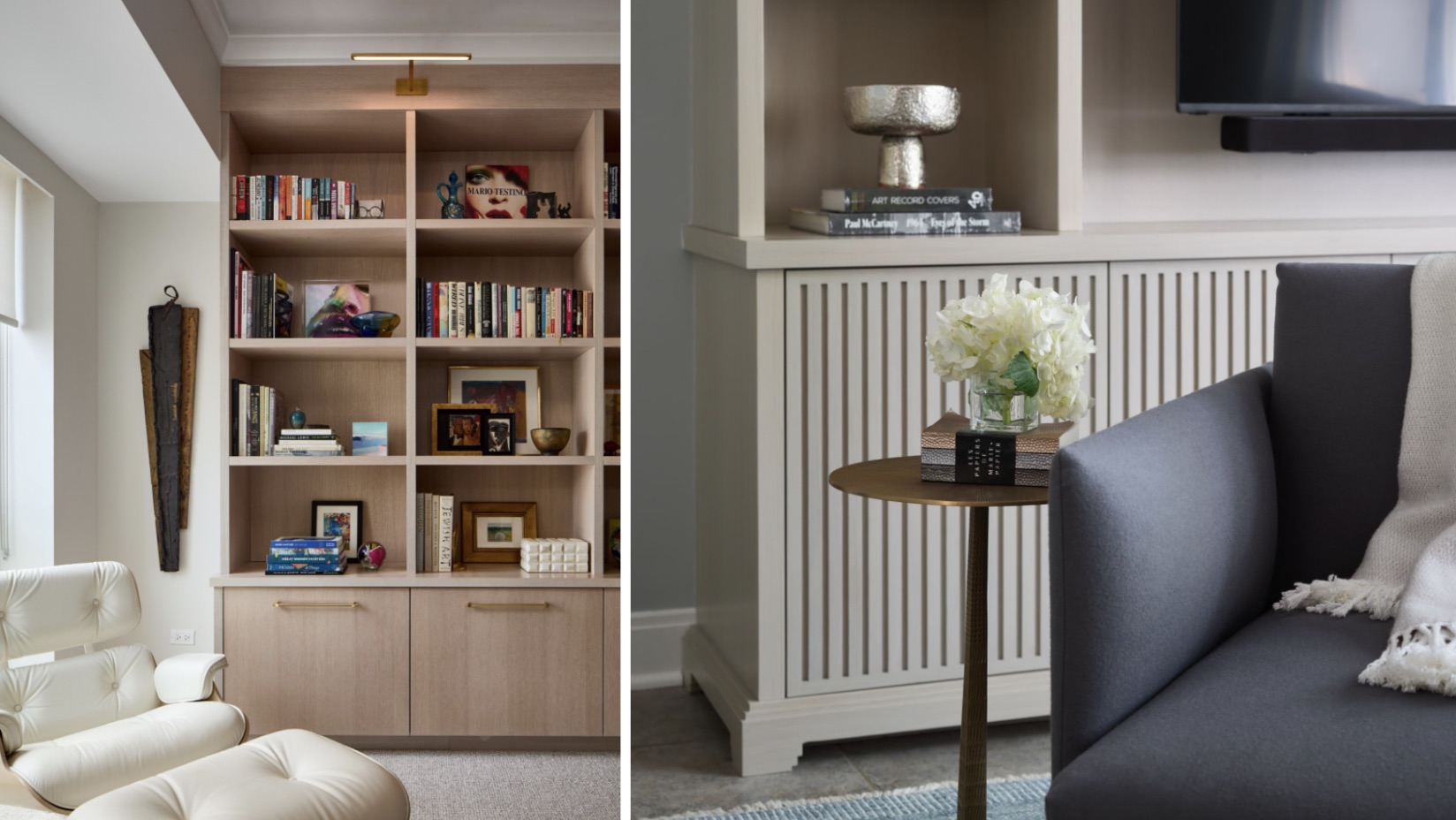
Thoughtful storage, integrated cable management, and concealed charging stations help reduce the presence of technology, even when it remains fully functional. Televisions can be recessed or discreetly integrated, appliances can be paneled, and devices can be tucked away rather than left on display. The goal is not to eliminate technology, but to quiet its visual dominance. A home should feel grounded, not like a control center.
Designing with Light and Materiality
Lighting plays a profound role in how a space is experienced. After hours spent in front of bright screens, the eye craves warmth and softness. Layered lighting, including lamps, sconces, and dimmable fixtures, creates a softer, more relaxed environment.
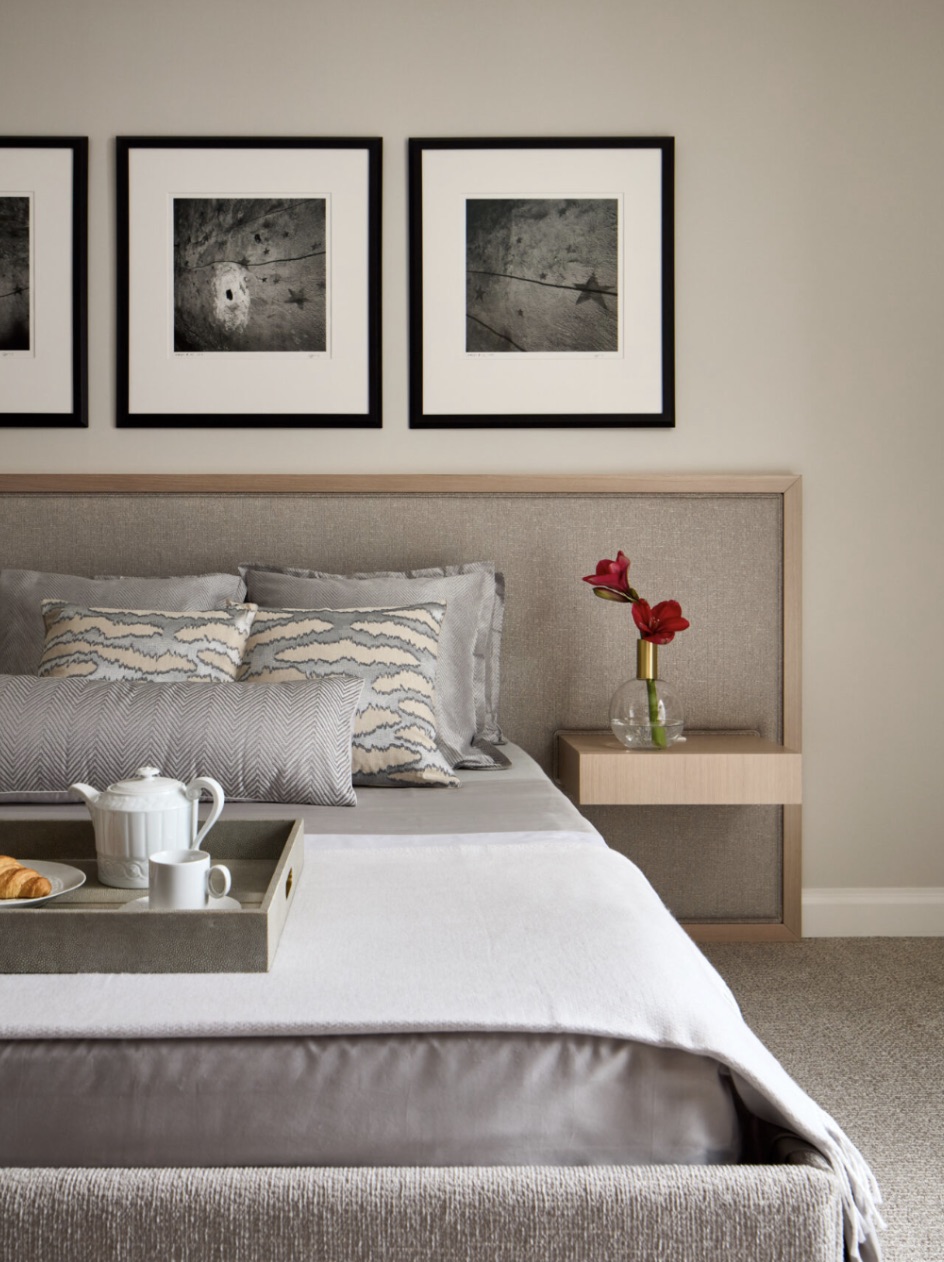
Materiality reinforces this effect. Natural woods, stone, matte finishes, and textiles, such as linen, wool, and cotton, provide tactile richness and softness — an antidote to the bright rigidity our devices. These materials engage the senses in a way that feels grounding and restorative.
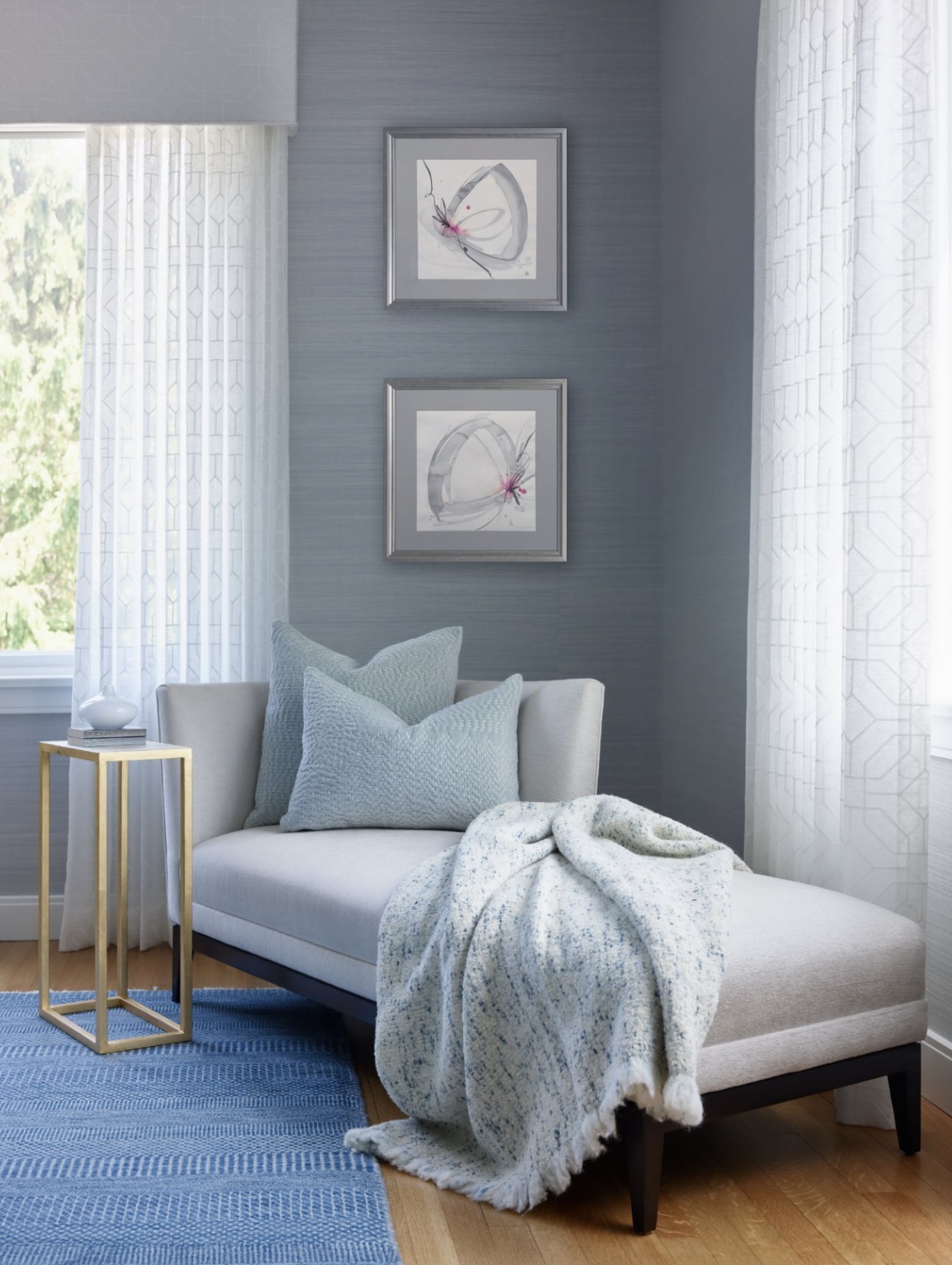
Color, too, should be approached with intention. Warm neutrals, soft greens, and muted blues draw from the natural world, reducing visual intensity while maintaining depth and sophistication.
Reintroducing Nature as Counterbalance
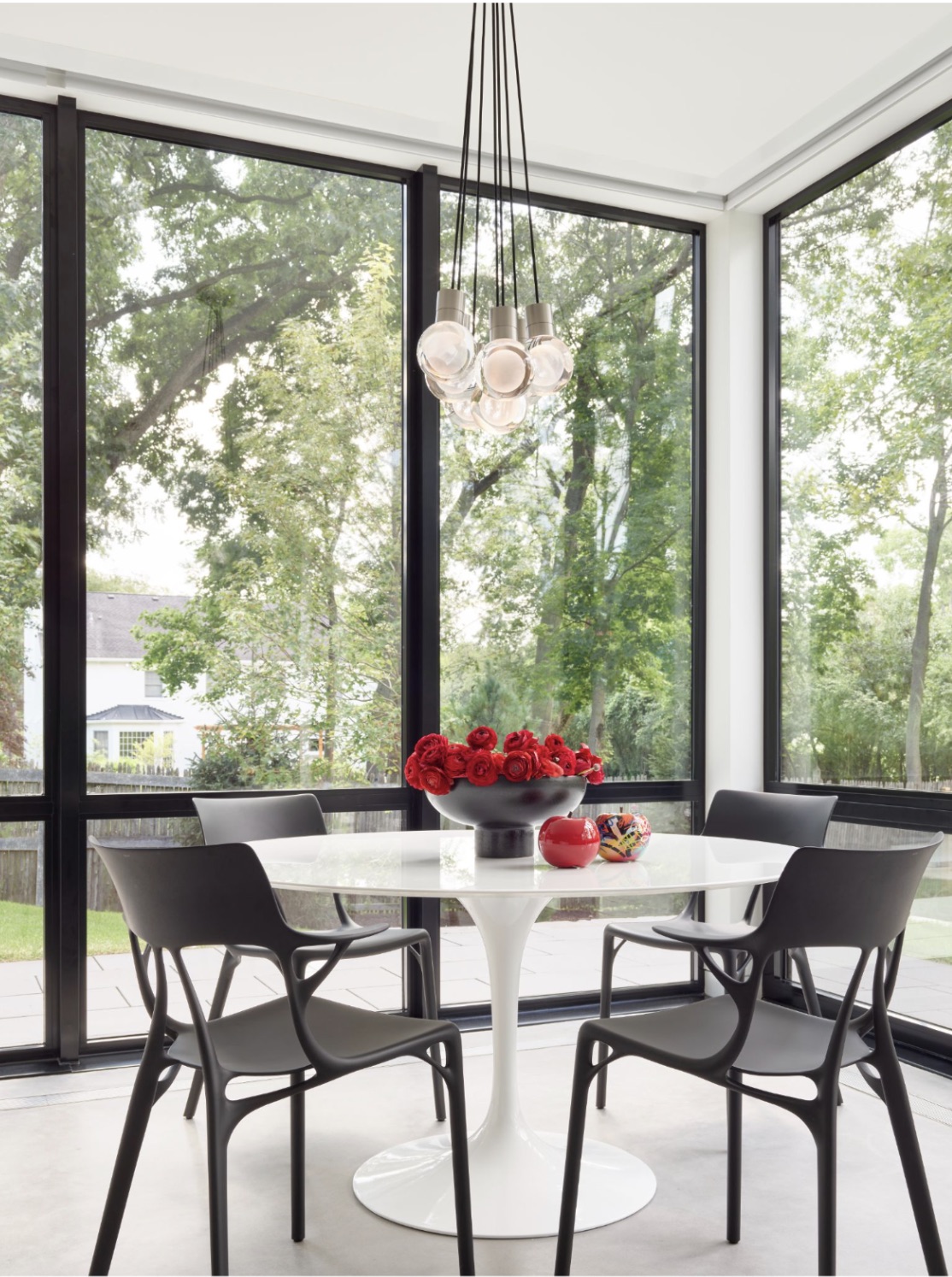
Biophilic design offers one of the most effective responses to digital fatigue. Natural light, indoor plants, organic forms, and views to the outdoors introduce a quiet, subconscious sense of calm.
These elements do more than enhance aesthetics; they recalibrate the nervous system. Natural materials, a grouping of plants, or even the interplay of light across a natural surface can shift the entire mood of a space. In this context, nature becomes not just a decorative layer, but an essential one.
Encouraging Analog Rituals
Spaces that support analog activities, such as reading, cooking, listening to music, and gardening, encourage a different pace of living. They invite a focus on the present moment and offer a call to slow down.
A kitchen designed for gathering, a library corner layered with books, or a dining table that feels intentionally composed can subtly reshape daily habits. What might feel like a nostalgic gesture is in reality a necessary counterweight to modern life.
Designing for a Different Kind of Luxury
Designing against digital overload is not about rejecting technology. That would be neither realistic nor desirable. Instead, it is about creating environments that mediate our relationship with it — spaces that allow us to engage when needed and disengage when it matters most.
Increasingly, clients are asking for less noise and a greater sense of ease within their own homes. Accordingly, the definition of luxury continues to evolve — no longer focused on materials or scale, but by how a space makes us feel. When our home creates a sense of calm, presence, and connection, both to ourselves and to one another, that is the greatest luxury.
In a world that is constantly demanding our attention, a space that offers refuge from that noise may be the most meaningful design achievement of all.