
When I was in my twenties, my mom gifted me a necklace with rows of tiny pearls suspended on nearly invisible fishing line. Near the clasp sat a single black bead. My mom explained that it was the designer’s signature—Langani’s quiet mark of authenticity, distinguishing the real from the imitation. She told me the story behind the artist, the design, and the deeper meaning of that solitary bead.
To this day, that necklace remains one of my cherished possessions—not only for its beauty, but for its provenance. Its integrity. Its connection to someone I love.
This example is precisely what draws people to vintage and antique interior design elements: beauty layered with history and intention. Just as that necklace carries a narrative, so too do the furnishings, textiles, and objects that define a thoughtfully composed home. Vintage and antique pieces are no longer nostalgic gestures; they’ve become emblems of craftsmanship, meaning, and modern discernment.
The resurgence we’re seeing today is more than an aesthetic preference—it’s a cultural response. In uncertain times, we instinctively reach for what feels enduring. Across disciplines—fashion, film, food, and interiors—nostalgia has become a creative catalyst. After years of digital saturation, we are looking for materials that evoke comfort and sentimentality. Vintage and antique pieces offer what contemporary manufacturing rarely can: an intimacy with process, the imprint of the artisan.
Sustainability has also deepened the allure. As design becomes more conscious of its footprint, “new” is no longer synonymous with “luxurious.” Reclaiming and reimagining existing pieces feels both responsible and rarefied. And the search itself—whether through an estate sale or a relative’s attic—has become an art form.
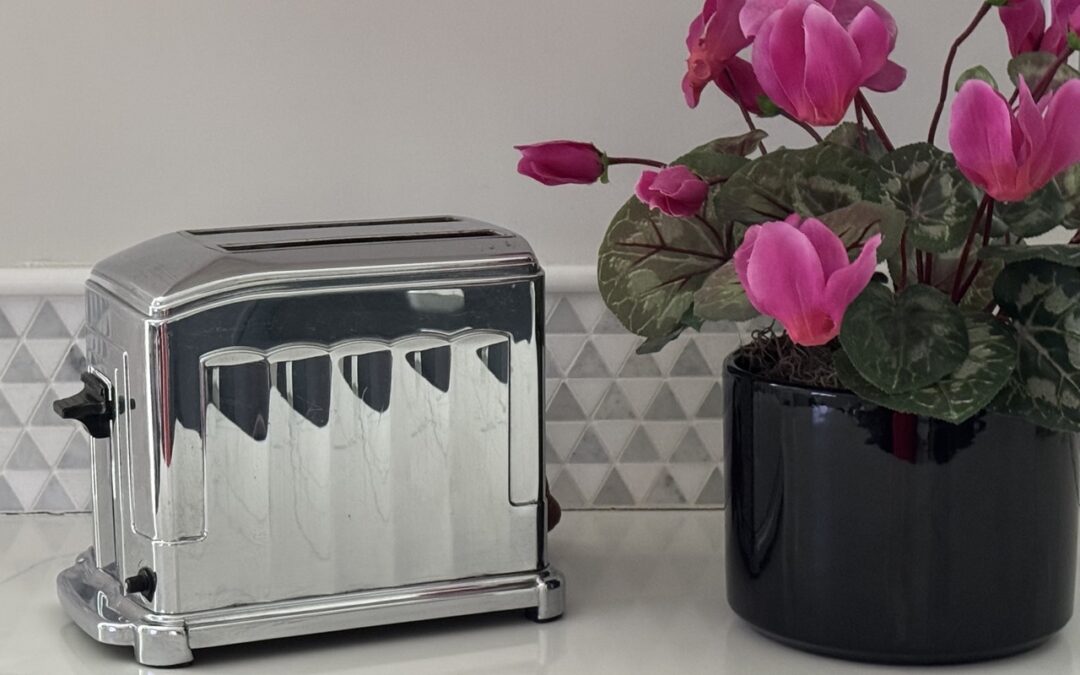
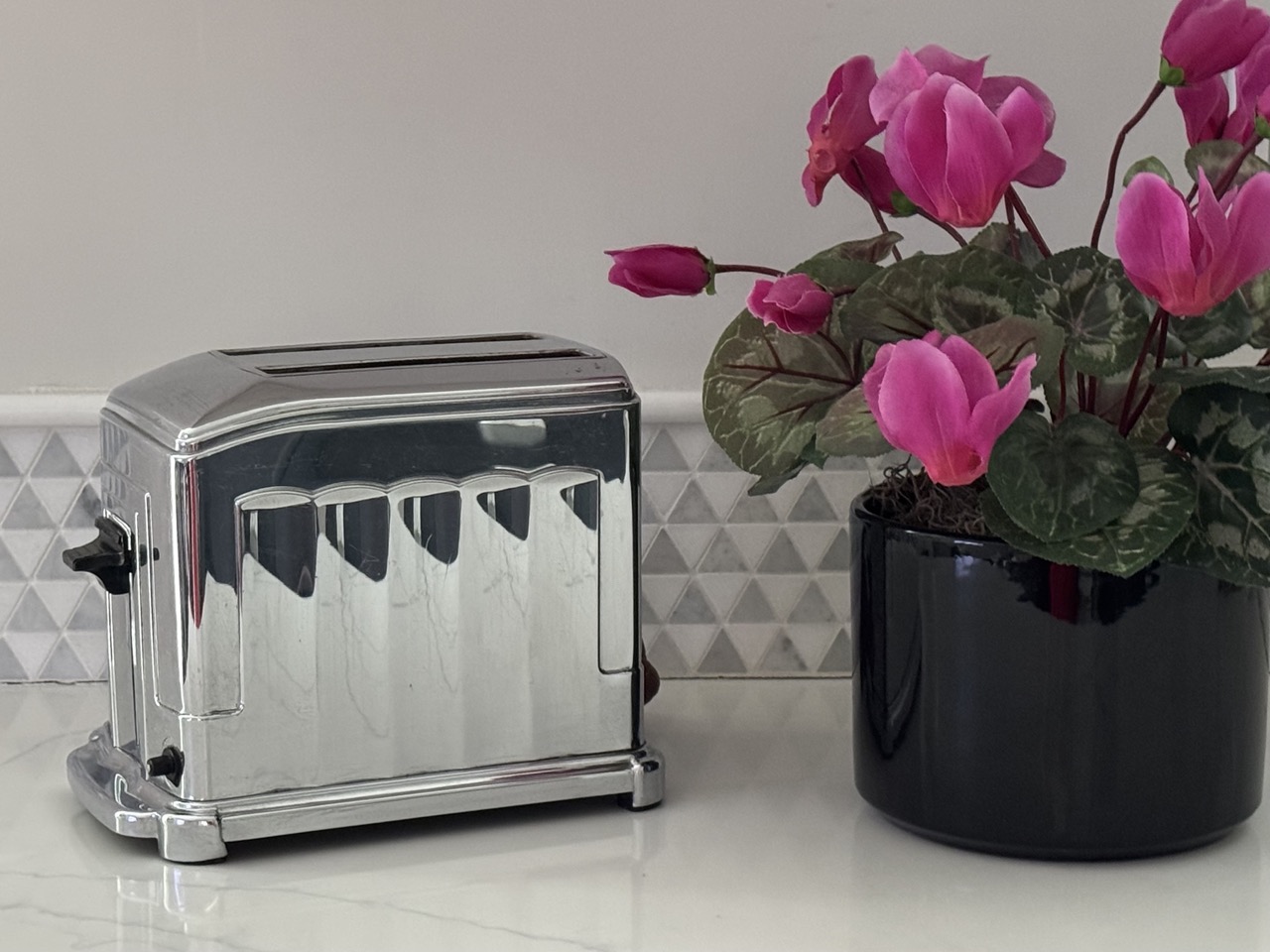
What’s remarkable is how our current vintage renaissance transcends generations. Gen Z, the most digital generation, is paradoxically the most analog in taste. Entire online communities are devoted to secondhand furniture (think real wood tables and chairs that were carved by hand), retro glassware (Pyrex mixing bowls and etched tumblers), and the charm of “grandmillennial” style. For them, vintage design is a form of self-expression: every piece is an artifact of individuality amid a world of algorithms. Millennials, in turn, are drawn to craftsmanship and sustainability. They value provenance over perfection. A 1936 art deco Toastmaster toaster with a bakelite handle is more compelling than the latest gadget, not because it’s fashionable, but because it tells a story.
Today’s vintage revival—across all ages—isn’t about one style; it’s a rich, cross-temporal dialogue. Mid-century silhouettes endure, but so too does a taste for maximalist opulence: ornate mirrors, jewel-toned glassware, handwoven textiles, and sculptural lighting. In luxury interiors, vintage elements are not meant to replicate the past, but to reframe it. The magic lies in juxtaposition (the conversation between eras). A brutalist sconce feels newly relevant when paired with bold contemporary art. A gilded mirror becomes modern sculpture when set against minimal architectural lines. At Leah Bolger Design, we approach vintage pieces as anchors rather than accents—touchstones of character that lend dimension and narrative to a space.
Vintage and antique elements lend more than style. They introduce dialogue. A mid-century chair embodies innovation; a handwoven textile carries the rhythm of its maker. Together, they infuse a space with individuality and soul. The art lies in equilibrium. Too much vintage, and a room risks feeling themed or nostalgic. The most sophisticated interiors integrate old and new seamlessly: a 1950s sideboard grounding a contemporary dining space, or an antique mirror reflecting the clarity of modern lines. The result is not a recreation of history, but a layered conversation with it—elegant, authentic, and unmistakably personal.
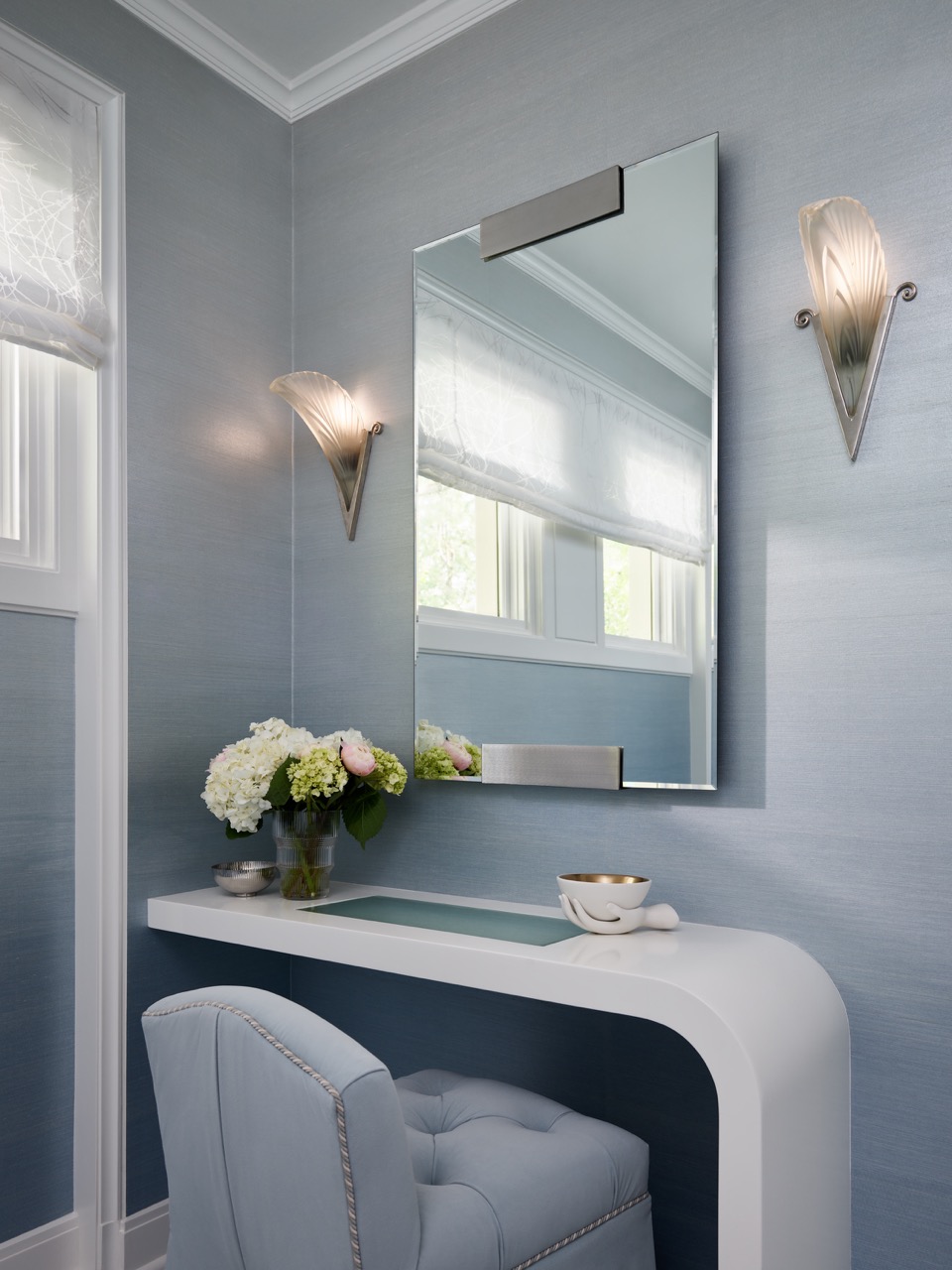
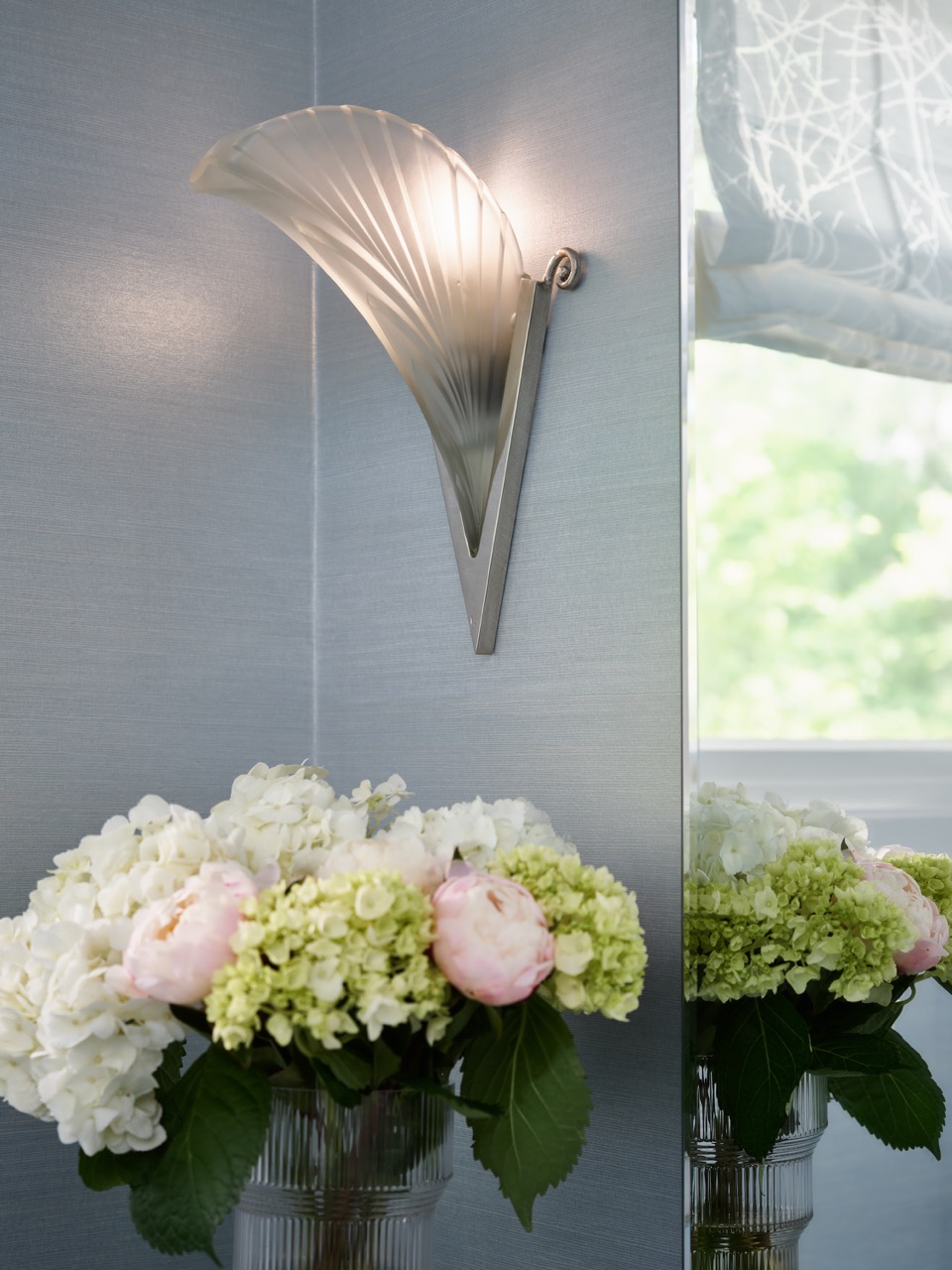
One of our projects that embodies this philosophy is a 1949 Art Deco home on the North Shore. For a space we call the “Ladies’ Lounge” (originally conceived as a glamorous retreat for female guests to powder their noses), we sought to honor its history while making it resonate for a modern lifestyle. We restored and replated Art Deco sconces from the 1930s, preserving their sculptural geometry while renewing their light. The home’s original vanity table was refinished, its silhouette as graceful today as it was decades ago. A custom stool upholstered in velvet with tassel and trim accents, and a Roman shade in a lovely burn-out fabric that features a delicate organic tree branch motif were layered in—the latter a discreet nod to the surrounding landscape.
Our collective turn toward vintage design reflects a deeper shift in what luxury means. We are craving connection: to craftsmanship, to memory, to meaning. In a world defined by speed and automation, the presence of something genuine feels profoundly luxurious. Like that Langani necklace with its single black bead, a vintage piece carries more than beauty. It reminds us that artistry matters, that stories endure, and that the most lasting form of luxury is authenticity itself.