
Exploring proportion, palette, lighting, and the art of the collected tabletop
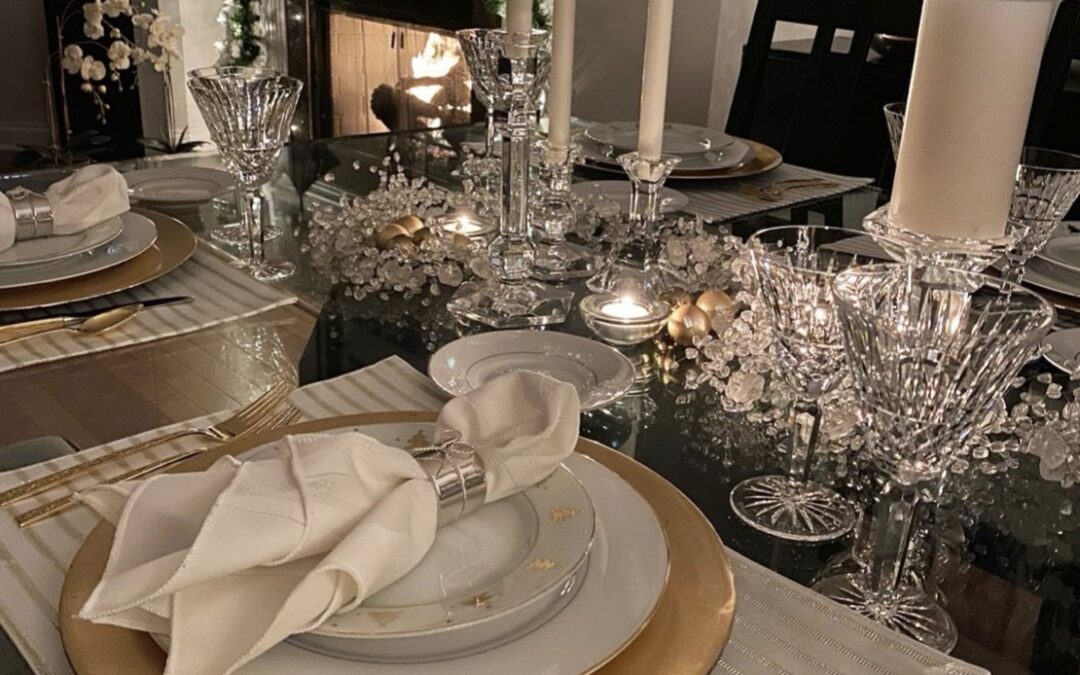
The most memorable tables are never merely decorated; they are composed. They whisper a mood, hint at a story, and invite guests into an atmosphere where conversation feels easy and time moves a little more slowly. For me, a beautiful tablescape isn’t about orchestrating perfection. It’s about designing with intention—being playful, bringing beloved pieces into the foreground, and leaning into what resonates.
Below are my guiding principles for timeless tablescape design: the pieces I invest in, the details I layer, and the mindset that welcomes story over symmetry.
Begin with the Event—Then Let the Palette Take Shape
Every tablescape begins with a prompt, and for me, the occasion itself is the compass. The event should always set the tone. A girlfriends’ brunch calls for a different visual vocabulary than a formal holiday dinner; a milestone birthday carries a mood distinct from a cozy winter supper.
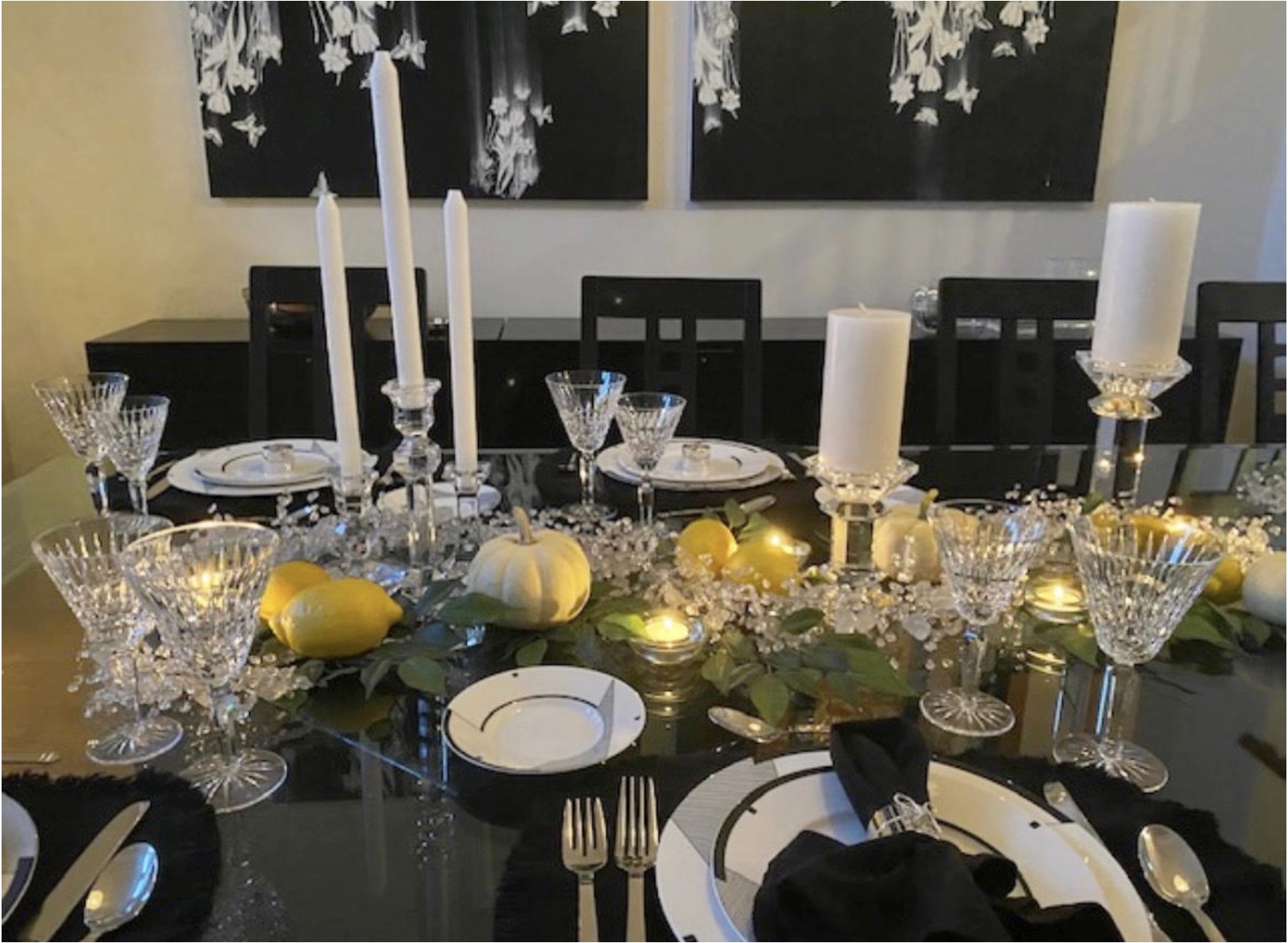
Once the spirit of the gathering is clear, the color palette can emerge. Sometimes it’s intuitive—last Valentine’s Day, I went all in on pink and red—but often I find inspiration in reinvention. For a recent Thanksgiving table, I skipped predictable russets and oranges in favor of an Amalfi-inspired narrative: black-and-white dishes, crystal garlands with clipped backyard greenery, white pumpkins, and whole lemons scattered among crystal candlesticks of varying styles and heights. You can nod to a season without being overtly literal. The fun is in finding a fresh angle.
Build a Capsule Foundation Slowly, Carefully, and with Heart
Like a capsule wardrobe, a capsule tablescape starts with a curated collection of foundational pieces—elements that can support everything from a casual brunch to a candlelit dinner. But this foundation should grow naturally, not through a single shopping spree.
It can sound daunting, but it shouldn’t. Start with what you already have. An heirloom china pattern inherited from grandparents, wedding-registry flatware, flea-market candlesticks, or a few beloved crystal pieces—each can become the anchor for something new.
Some collections, especially the pricier ones, take years to complete. I built my 14-piece Waterford and Orrefors cut-crystal sets gradually, often investing in a single glass for my birthday each year. That’s how a real collection grows—slowly and intentionally.
My capsule essentials include:
- Elegant and casual dinnerware
- Flatware that works for both casual and formal gatherings
- Mixed stemware (because matching is overrated)
- Versatile vessels at varying heights
- A set of neutral linens
The result is a foundation that flexes with the seasons and supports any story I want the table to tell.
Celebrate the High–Low Mix and the Magic of Reimagining
The beauty of my tables lies in contrast. I pair modern with antique, sleek with textured, luxury with everyday. A refined table is never copy-and-pasted from a catalog—it is collected. The magic is in the mix. I love combining vintage and modern, high and low, patterns and palette cleansers.
Think sleek contemporary stemware alongside a cut-glass tumbler. Heirloom gold flatware next to contemporary placemats from Kate Spade. Antique sterling napkin rings with MCM napkins. An 1890 salad plate used as a single accent rather than a full place setting. Each element adds dimension, and each carries a story.
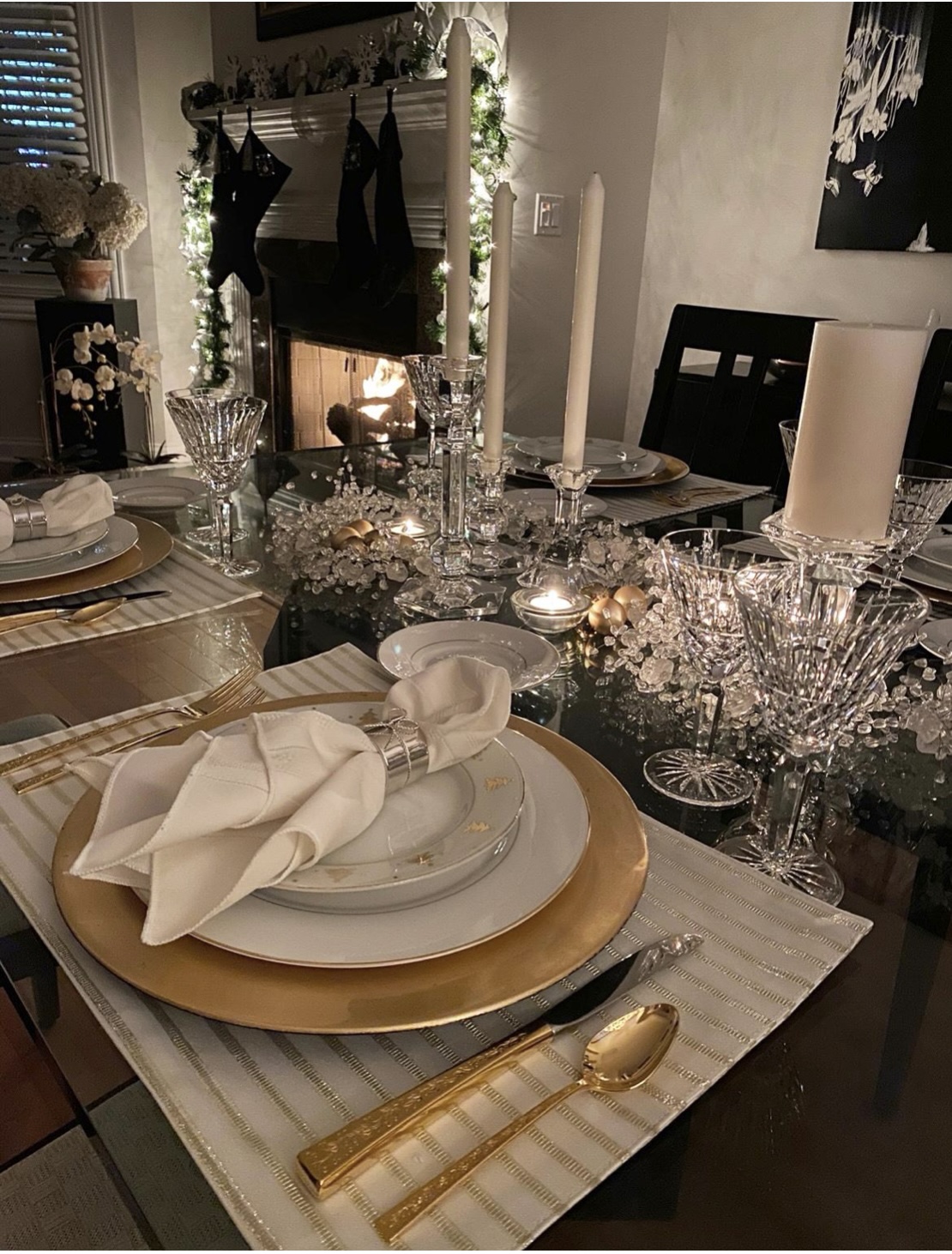
One of my favorite exercises is simply reevaluating overlooked pieces. I ask myself: How else could this live? Could a formal candelabra work for a casual brunch? Could an inexpensive hurricane feel elegant paired with color-saturated porcelain plates from Tania Bulhões? Things get stuck in cupboards. Pull them out and give them new life. The same thinking applies to tableware—using more than one china or dish pattern isn’t a mistake, it’s an opportunity. When done thoughtfully, mixing patterns can add visual interest and establish a rhythm across the table. The key to success generally lies in having a theme or cohesive direction—whether through color, scale, or mood—that allows disparate elements to feel intentional and harmonious.
Textural interplay—polished metals, chunky crystal, earthy ceramics, crisp linens, florals—adds depth without crowding the table. Imperfect coordination isn’t a flaw; it’s a mark of authenticity.
Let Color Serve the Mood, Not Overwhelm the Table
Color is one of my signature tools, but I use it with editorial restraint. Rather than chasing trends, I build palettes that enhance the emotional tone of the gathering.
Quiet, natural palettes—creamy linens with soft hydrangeas and warm metallic accents—create calm sophistication. Bolder compositions rely on structure: graphic black and white punctuated by bright yellow; winter berry reds softened with greenery; or a restrained base palette energized by one unexpected hue.
The key is balance. Bold linens with simple florals. Intricate china with understated glassware. Abundant blooms paired with quiet textiles. A well-colored table should feel rich, never busy.
Layer with Intention and Let Go of Perfectionism
A beautifully layered table is a study in proportion, pace, and pause. Linens, glassware, candles, branches, and florals create depth—but layering isn’t about excess. It’s about rhythm. I aim for harmony that still feels interesting, and I try not to get stuck in a perfectionist mindset.
A few sculptural branches across a brunch table or placed in an interesting vase add architecture. A scattering of apples, cranberries, or pomegranates at Christmas feels festive without formality. Lemons, clipped greens, berries, or simple stems from the yard or market can be more visually compelling—and more cost-effective—than elaborate arrangements.
I source from everywhere: Winnetka thrift shops, North Shore vintage stores, Chicago boutiques, estate sales, and even Michael’s. Provenance matters far less than presence—how a piece contributes to the overall composition. I’m a devoted fan of Village Treasure House in Glenview and recently found a set of Vera Wang napkin rings there for a song.
Let Lighting and Music Shape the Atmosphere
Lighting is where the table truly comes alive. But please—stay away from LEDs that try to emulate candles. You simply can’t replicate the romance of real candles. That said, using LED fairy or twinkle lights that aren’t leaning terribly blue can add texture and romance when intertwined in garlands and vases.
I layer tapers, hurricanes, and floating candles in a range of heights to create warmth and movement—an approach that can transform even the most utilitarian setting. For my Amalfi Coast–themed Thanksgiving table, I styled six folding tables linked together in a warehouse-like space. When working with high ceilings and a cavernous room, tall hurricanes with pillar candles are ideal for filling negative space while creating drama. After all, candlelight always brings intimacy and warmth.
And remember: if lighting sets the tone, music sets the tempo. A curated playlist should ease guests from arrival into conversation—soft at first, more energetic as the wine flows, and gently tapering during dessert. Beyond the decor, the food and the music are always what people remember most.
Use Florals Thoughtfully and Always Consider Sightlines
Florals and natural elements are essential, but they should never overpower the table. I focus on sculptural balance: low roses in simple vases, taller hydrangea or very tall vases with orchid stems for moments of fullness, and branches that add height without blocking conversation.
I often source branches and greenery from my yard and spray-paint them gold, silver, or white depending on the palette. If I can’t find what I need at home, Chalet Home + Garden in Wilmette is my go-to for florals, berries, and vessels. One Valentine’s Day, I used small square vases filled with flower-shaped cupcakes—serving as an intriguing element of each place setting and a treat.
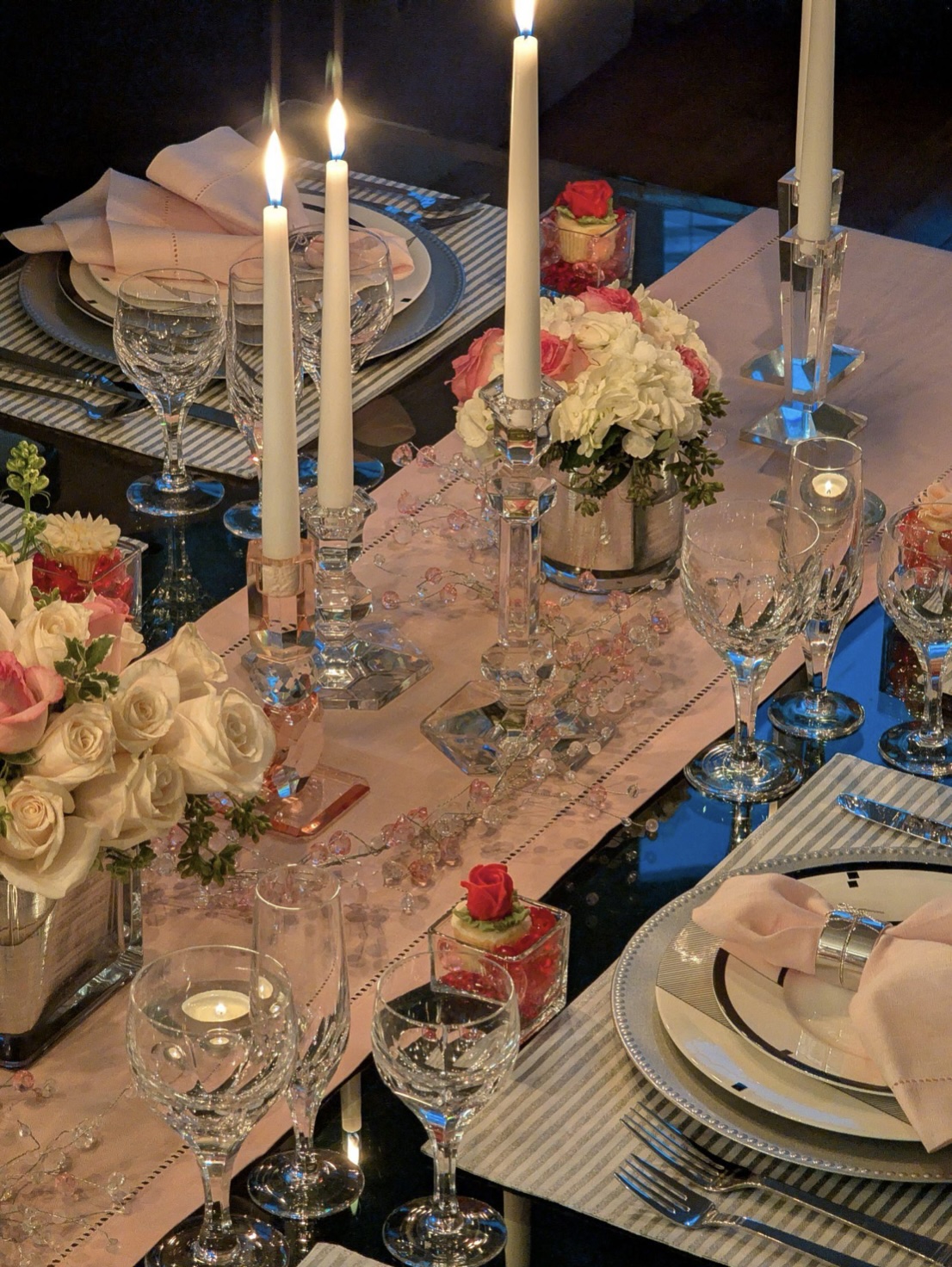
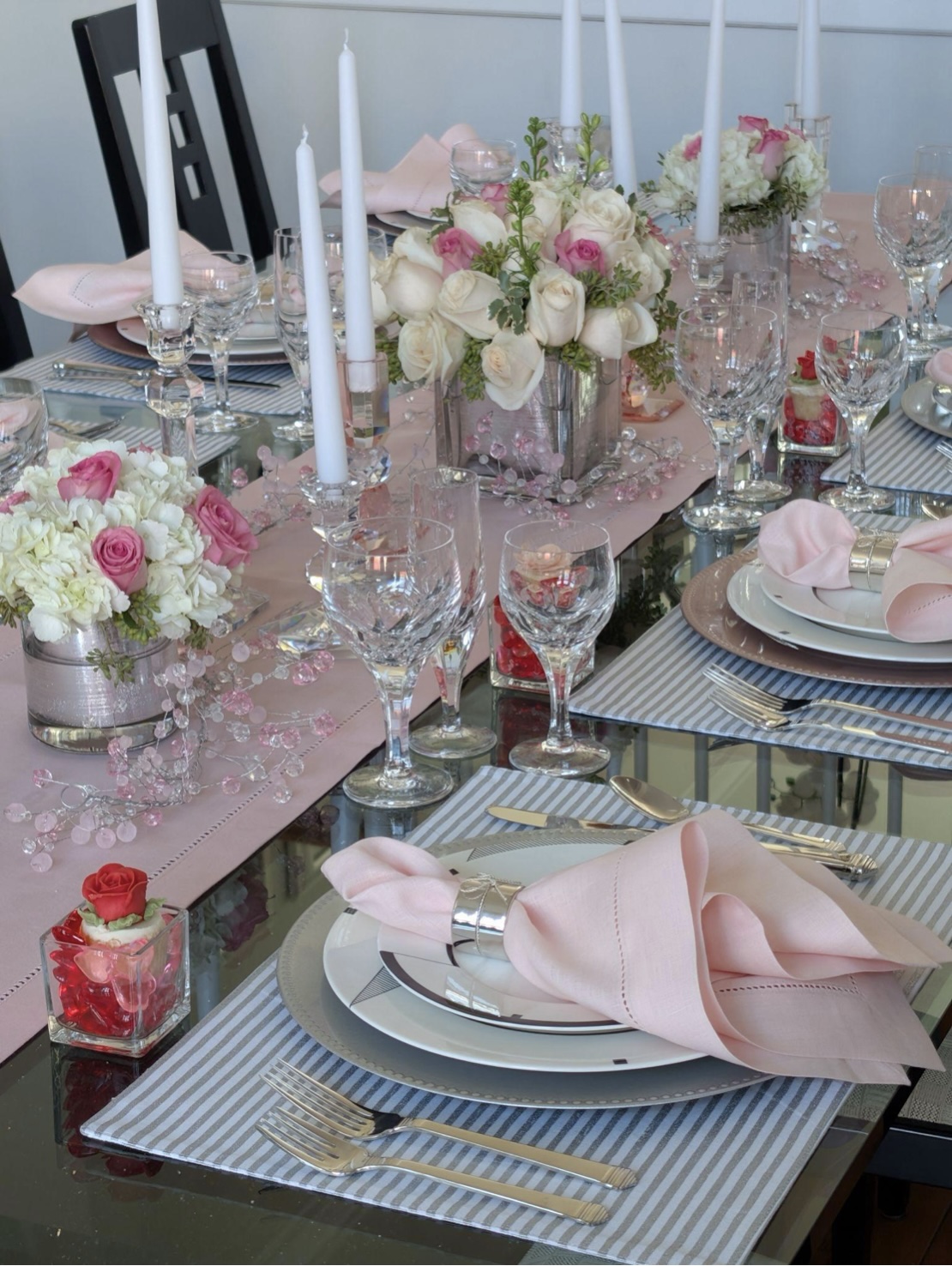
The goal is always the same: let arrangements support the story without stealing the show.
The One Effortless Upgrade Every Homeowner Can Make
If there’s one thing I hope you remember, it’s this: use the pieces you cherish. Don’t be afraid to pull out the heirlooms. Otherwise, it’s like buying a Birkin bag and letting it gather dust on a shelf. Life’s too short not to carry the bag—and use the good china.